|

Subscribe

✏️ Master Shading: Hatching, Cross-Hatching, Stippling & Scribbling Techniques Explained!

|
Hue Harmony

Hue Harmony

Archives

✏️ Master Shading: Hatching, Cross-Hatching, Stippling & Scribbling Techniques Explained!

✏️ Master Shading: Hatching, Cross-Hatching, Stippling & Scribbling Techniques Explained!
Learn essential shading techniques with colored pencils to add depth, texture, and realism to your artwork! 🎨🌈 #ColorYourWorld

Author

00 00, 0000

Trivia Question❓

What is the name of the technique where artists use light, repetitive strokes in one direction to build up color and texture in a drawing?

Answer at the bottom of the newsletter

Gratitude in Color 🎨🎨


List three things you’re grateful for today. Next, describe the colors that remind you of those moments or people. Consider incorporating those colors into your next coloring project to celebrate your gratitude.

Adult coloring can actually relax the brain for three reasons.

First, coloring activates different areas of the brain that are associated with creativity and logic.

Second, it reduces stress by engaging the mind in a simple repetitive task that allows for mindfulness and focus.

Lastly, it can help improve fine motor skills and hand-eye coordination.

Overall, coloring can be a therapeutic and enjoyable activity that provides relaxation and stress relief for adults.


Read More...

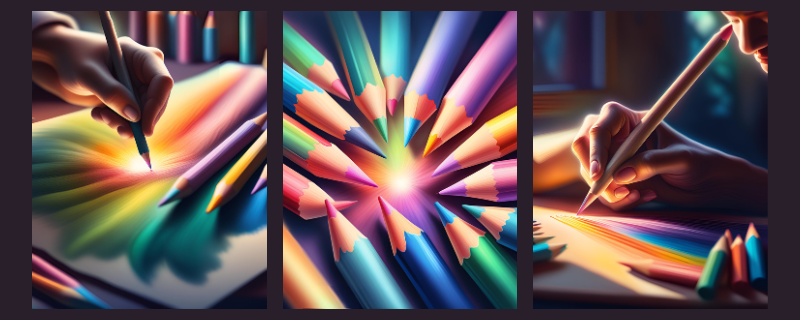
Mastering colored pencil shading techniques can bring depth, texture, and life to your artwork. Start with side-to-side shading for smooth transitions or tip shading for detailed, precise strokes.


Hatching and crosshatching are essential for building layers of shading, allowing you to create light and dark areas for contrast. The technique of scumbling involves using circular or scribbled motions to add texture and soften transitions, making it ideal for organic shapes and backgrounds.


By varying pencil pressure and direction, you can control the intensity of colors and create a more realistic look. Experiment on scrap paper to get a feel for each technique before applying them to your main artwork.


Combining these methods lets you enhance details, add highlights, and give your colored pencil drawings dimension. With time and practice, you’ll gain better control over your shading, turning your drawings into rich, vibrant works of art.


Read More...
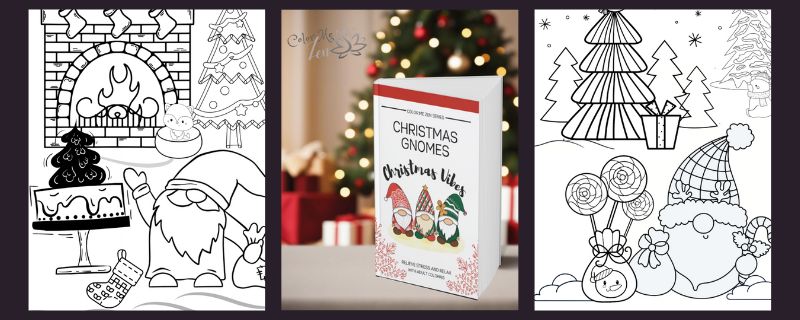
The festive season can be stressful, but what if you could relax and spark joy at the same time? Miss Lissa’s Color Me Zen Series Christmas Gnomes coloring book offers the perfect escape with 50 charming Christmas scenes featuring adorable gnomes, festive decor, and snowy landscapes. Each page is paired with a funny Christmas saying to keep your holiday spirits bright.


Coloring and Christmas isn’t just for kids—Rediscover the joy of creativity this Christmas and color your way to peace and festive fun!

🌈 Exploring Colorful Inspiration for your Coloring Projects

Coloring inspiration and ideas are essential for anyone who enjoys the therapeutic and creative benefits of coloring.

Whether you are a beginner or an experienced artist, finding new ways to approach coloring can help ignite your creativity and keep you engaged in the activity.

One source of inspiration for coloring is nature.

The vibrant colors and intricate patterns found in the natural world can serve as a rich source of ideas for your coloring projects.

From the bold hues of a sunset to the delicate details of a flower petal, nature offers endless possibilities for creating beautiful and unique coloring pages. Another great source of inspiration is art history.

Studying the works of famous artists can provide insight into different color palettes, techniques, and styles that you can incorporate into your own coloring projects.

Whether you are drawn to the bold colors of the Fauvists or the intricate patterns of the Art Nouveau movement, exploring art history can help you expand your creative horizons. Additionally, exploring different cultures and traditions can provide a wealth of inspiration for your coloring projects.

Whether you are interested in the vibrant colors of Indian Rangoli designs or the intricate patterns of traditional Japanese textiles, looking to different cultural influences can help you create unique and diverse coloring pages. Incorporating various tools and techniques into your coloring practice can also help spark inspiration.

From using different mediums like colored pencils, markers, or watercolors to experimenting with shading, blending, and layering techniques, there are countless ways to add depth and dimension to your coloring projects. Overall, coloring inspiration and ideas can come from a variety of sources, including nature, art history, culture, and technique.

By exploring these different avenues, you can keep your creativity flowing and continue to find joy and fulfillment in the act of coloring.

💡 Answer to Trivia Question:

The answer is "Hatching".

/>
Hue Harmony

Unlock the Joy of Coloring with Hue Harmony – Your Source of Creativity, Calm & Connection!


Category

Link Name

© 2026 Hue Harmony.


Discover your creative potential with the Hue Harmony newsletter, where vibrant coloring tips and therapeutic insights converge to enhance your artistic skills and mental well-being. Join our community of colorists and creators to unlock the joys of coloring and find harmony through creativity.

© 2026 Hue Harmony.